Celebrating International Day of Happiness in our villages
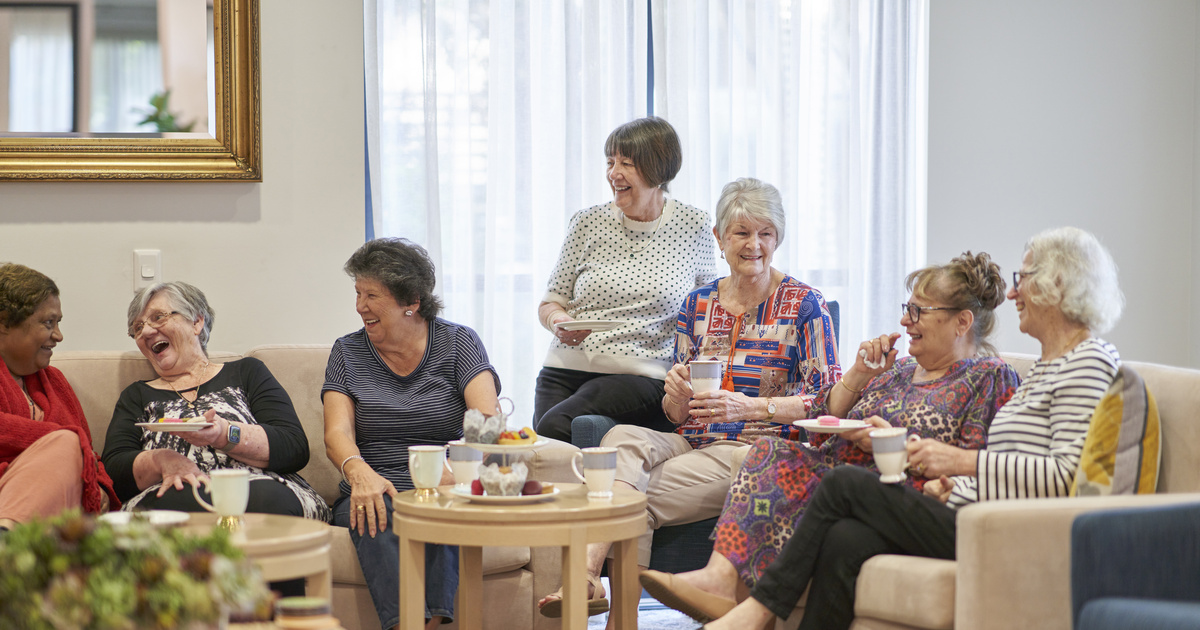
On International Day of Happiness, we asked residents across Australia to share their experience of living in a Keyton village.
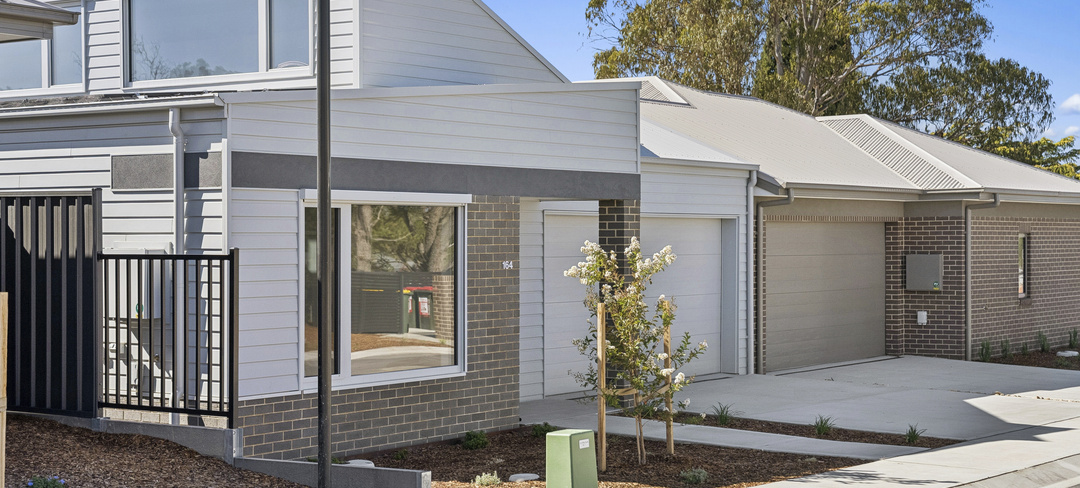
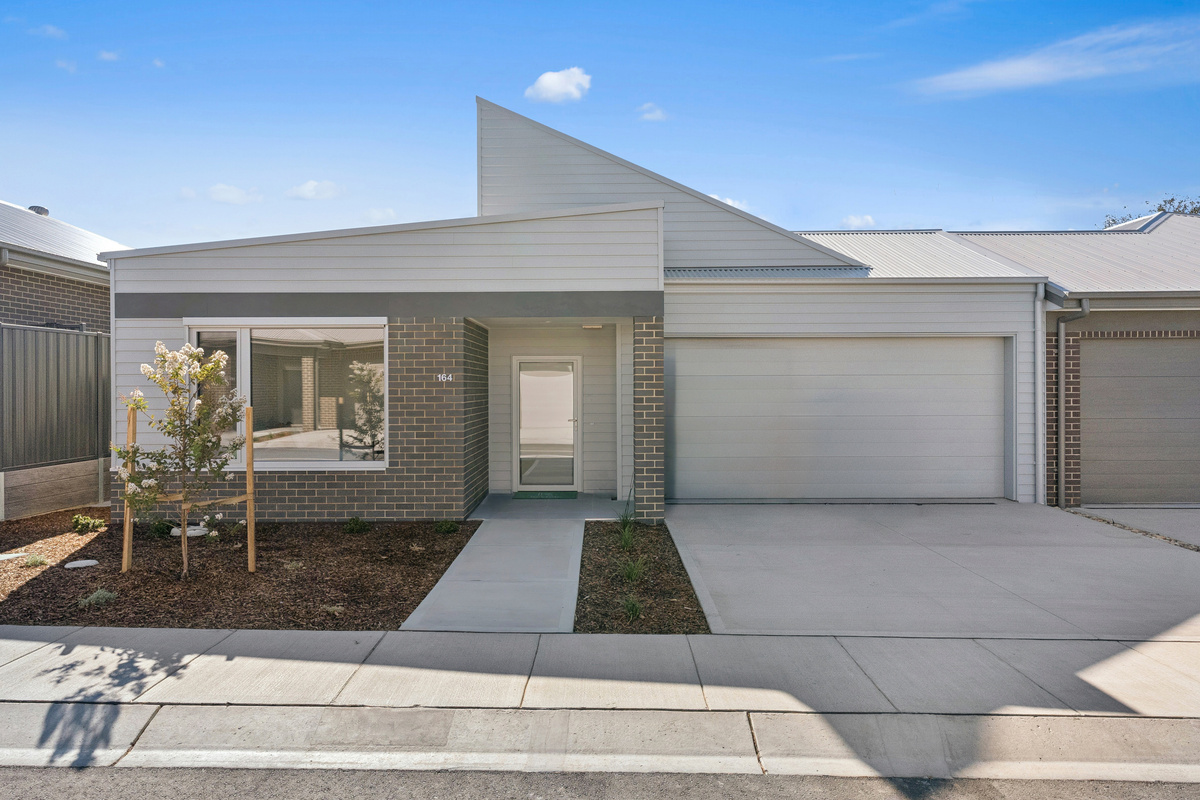
In early February, Passive House enthusiasts and customers got their first look at the innovative villa at The Grove, Ngunnawal retirement village in Canberra
A Passive House (Passivhaus in German) focuses on creating high-quality healthy and energy-efficient homes that maintain comfortable indoor temperatures year-round without relying heavily on active heating or cooling systems - great for your electricity bill! More than just a clever name, Passive House is an internationally recognised standard for buildings designed with ultra-low energy needs and a stable internal temperature of 18-25°C year-round.
This is achieved through superior insulation, airtight construction, high-performance windows and doors and a ventilation system providing fresh filtered outside air. In winter, the insulation and windows in a Passive House trap the solar heat that comes in the windows, which is further improved by avoiding thermal bridges in the construction. Thermal bridges are weak points in the construction where heat is transferred easily, such as through framing, penetrations and gaps in insulation. The Passive House construction requirements avoid these bridges.
Airtightness is similarly important. A Passive House must be able to control internal air quality and prevent both outside pollutants and water vapour. This is achieved through materials including an air tight membrane, a vapour permeable membrane and materials such as plywood.
The superior insulation and air tight construction traps all the air inside, therefore, an intelligent ventilator provides constant fresh air supply to all rooms and regulates just how much extract or exhaust air flows through a heat exchanger, ensuring stable temperature indoors without losing heat to the outside. In summer, this process is reversed, to minimise how much time you need your air conditioner.
(If you want to go down a rabbit hole, lookup airtightness testing videos - you'll be hooked!)
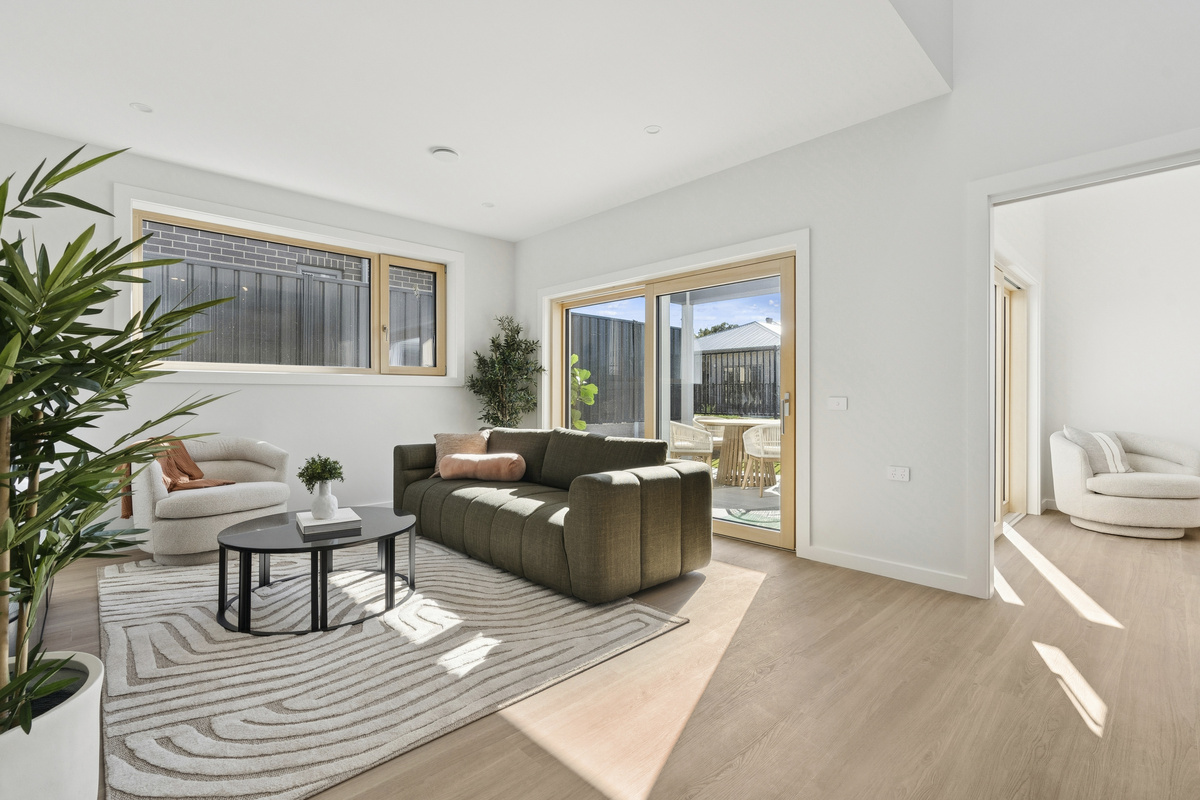
Head of Safety, Sustainability and Wellbeing Kara Pisani said the pilot villa, built to the internationally recognised Passive House standard, is designed to maintain a stable indoor temperature of 18-25°C year-round and deliver exceptional air quality.
“For its residents, that means a safer, more comfortable home environment, reduced exposure to temperature-related health risks and lower energy bills."
It’s an exciting step forward and a demonstration of how thoughtful, evidence-based design can help older Australians stay healthier, more comfortable and more connected to the communities they love.
The Passive House villa is part of The Grove Ngunnawal’s extension, which includes 45 new villas. The 206-villa village will include a co-located 124-bed aged care facility to be delivered by Arcare.
“The Passive House at The Grove is the first of its kind in an Australian retirement village and we are excited to bring it to market. For Keyton, the project has been, first and foremost a learning exercise,” said Keyton Chief Executive Officer Nathan Cockerill.
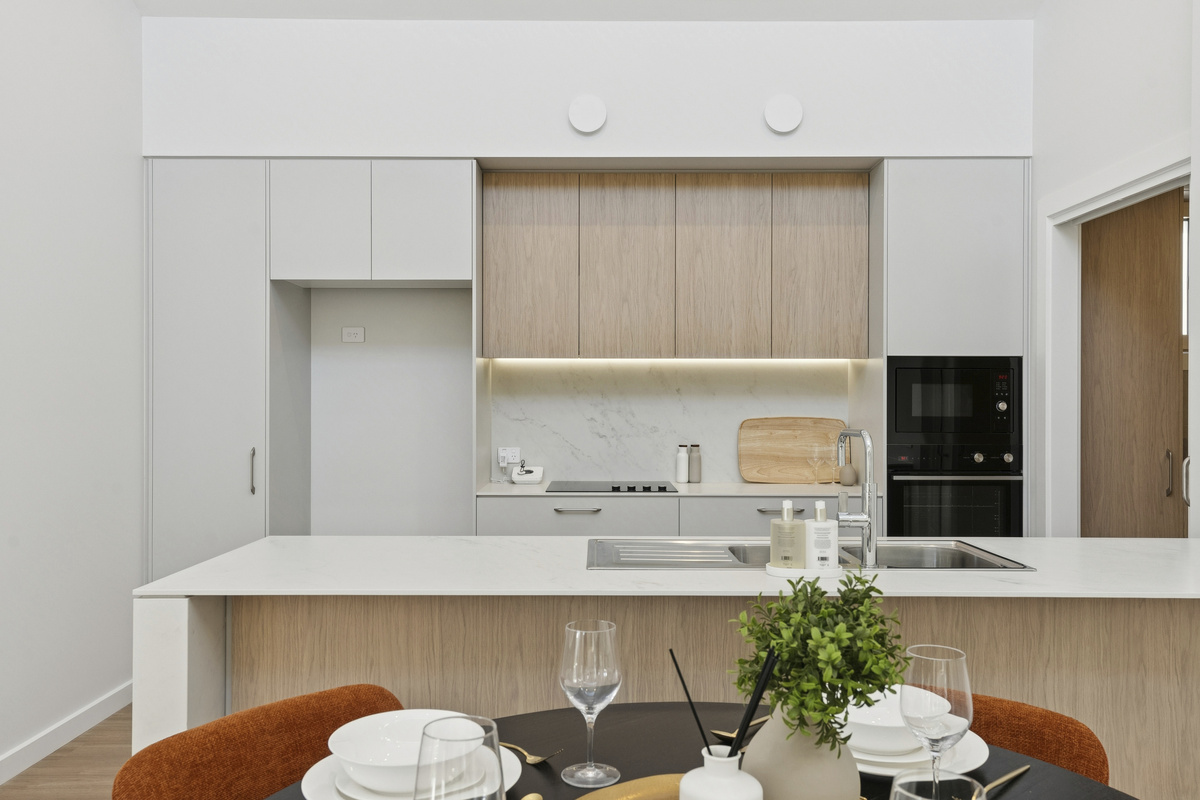
Built as part of Keyton’s sustainability and wellbeing focused approach, the Passive House incorporates airtight construction, high performance insulation, triple glazing and mechanical ventilation with heat recovery.
“We want to understand what works, what delivers the greatest impact for residents and what can be adapted cost effectively across new communities,” Nathan said.
“It’s all about taking the best of Passive House thinking and applying it in a way that supports healthy and confident ageing and saves residents some money on their energy bills as well.”
The home forms part of the ongoing transformation of The Grove Ngunnawal alongside the revitalised Gold Creek Homestead and an incoming aged care facility delivered by Arcare.
“The Passive House project reinforces our commitment to finding innovative ways to create homes that enhance health, comfort and long‑term wellbeing for residents,” Nathan said.