
5 benefits of apartment living for seniors
Discover the benefits of apartment living for seniors, from downsizing and decluttering to urban conveniences and cost savings.

So, you’ve decided to rightsize and move into a retirement village. Congratulations! That’s a big step and a really positive one. You will soon discover that you are opening the door to more freedom, a secure and supportive environment and the chance to connect with like-minded people.
While it’s exciting, it can also feel a bit overwhelming. We get it. But don’t worry, here's a step-by-step guide to make the whole process of planning, packing and settling in as smooth and stress-free as possible.
Getting organised early can really help take the pressure off. Start by setting a moving date. If you can, try to avoid weekends or peak periods when removalists are busier and more expensive. It’s a good idea to get a few quotes from different moving companies and compare what they offer, so you can find the one that best suits your needs.

Moving is the perfect opportunity to go through your belongings and decide what to keep, what to donate or sell and what to let go of. The less you take, the easier the move will be and the fresher the start. If you have a rough floor plan of your new home, use it to figure out what furniture will fit where. Measure your key pieces to make sure they’ll fit comfortably through doorways and into your new space.
Need help with decluttering? Check out our blog on how to downsize your home.
With so much going on during a move, it’s easy for important documents to go missing in the chaos. That’s why it’s a good idea to start gathering all your essential documents like birth certificates, medical records, passports, insurance policies, wills and Powers of Attorney. Keep them together in a clearly labelled folder and let a trusted friend or family member know where to find it, just in case.
Now’s also the time to update your address with services like Medicare, your bank, utility companies and any other organisations you’re connected to. Make a checklist of who to notify and tick them off as you go. Some government departments can take a while to process changes, so it’s worth giving yourself plenty of time ahead to plan those calls.
The trick of making packing a manageable job is breaking it down into smaller tasks. The good news is you’ve already done the heavy lifting — donating, selling and letting go of things you no longer need. Now it’s just about organising what’s left into boxes so everything’s easy to unpack in your new home.
Start with the items you don’t use every day, think out-of-season clothes, extra linens or decorative pieces. Label each box clearly with what’s inside and which room it’s going to. Remember to pack heavier items at the bottom of the box and lighter ones on top. Mark anything fragile so it’s handled with care and consider creating an inventory list to keep track of what’s going where. Wardrobe boxes are also a great option, they let you keep clothes on hangers, making unpacking your wardrobe quick and easy.
On moving day, you’ll want to keep things simple. One great way to do that is by packing a couple of 'essentials' boxes. An 'open first' box could include fresh bed linen, towels, toiletries, pyjamas, a change of clothes, tea or coffee, a torch, scissors and some tape. Basically, anything that will help you feel settled on your first night.
An 'important items' box might include your medications, keys, legal documents, phone charger, address book and a small first aid kit. Keep these close at hand so you’re not rummaging through everything when you’re already tired.
The big day is finally here! Start by confirming arrival times with your removalist and make sure someone’s available at both your current and new homes to keep an eye on the process. Since you already know your floor plan, leave clear instructions for where you’d like the furniture to go, it’ll save a lot of rearranging later.
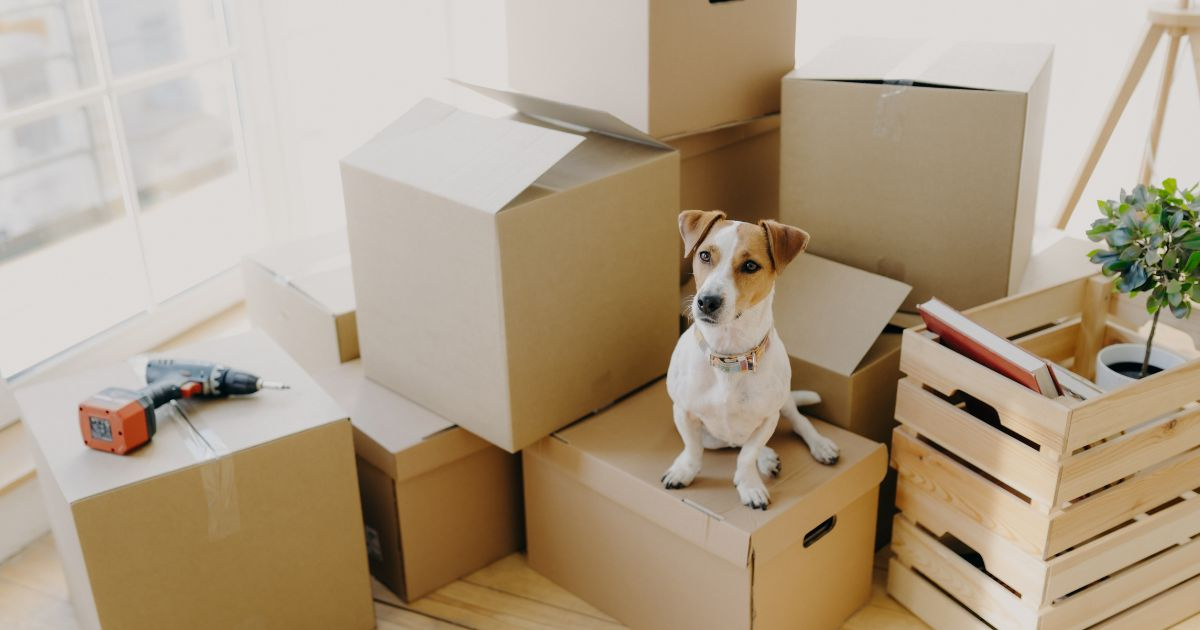
Once you arrive, check that all utilities are connected and working. Begin unpacking the bedroom and bathroom first, so you can freshen up and have a good night’s sleep without rummaging through boxes. There’s no rush to unpack everything straight away, take your time and ease into your new space at your own pace.
If you’re moving in with pets, try to arrange care for them on the day to reduce their stress and one less thing for you to worry about. And don’t forget your plants! A light water before the move and a plastic-lined box should keep them happy during transit.
With your new address, it is the beginning of a whole new chapter. You don't need to rush into it, take one step at a time. One of the best things about village life is that you can be as social or as private as you like. Don’t be afraid to ask for help. Our village teams are friendly and always ready to lend a hand.
You’ll be surprised by the kindness and support you’ll find around every corner. Before you know it, you’ll be enjoying the little joys of village life — morning strolls through beautifully kept gardens, friendly chats over coffee, joining in on activities and events (as much or as little as you like) and the ease of knowing support is there if and when you need it.
So here’s to your new home, your new community and a whole lot of new memories just waiting to be made.
Welcome to your village. Your next chapter starts here — and it’s looking pretty wonderful.
For more information about the lifestyle and support offered at our retirement villages, call our customer service team on 1800 550 550 or send us an email here.
If you think your family or friends might enjoy this article, please share it with them.